You can make the best marmalade in the quarter and still be turned away at the gate. Market organisers ask about paperwork before they ask about your stall dressing, and first-time vendors often lose a Friday evening chasing a certificate they could have sorted weeks earlier. This market is a friendly place, but it runs on rules — the same rules that keep it safe, insured and worth turning up for at six in the morning. Here is what to have in order before you pay for a pitch.
Start with the vendor pack
Every market publishes an application form or trader pack, and it is the only document that really matters. It sets out pitch sizes, arrival and set-down times, what you may and may not sell, how much power you can book, and the insurance cover the organiser expects. Read it end to end before you fill anything in.
If a line is unclear — a fee, a restriction on hot food, whether your category counts as produce — email the market office and ask. Organisers would rather answer three questions in advance than fix a problem on market morning.
Then build one folder, digital and printed, holding your application, insurance certificate, council registrations and any electrical test certificates. Name scanned files with your business name, and carry paper copies on the day. Phone batteries die at the worst moments.
Permits and registrations
Most food businesses need to register with their local council, and that includes traders selling pre-packed jam, cakes, coffee or cheese. Registration is usually free, but it is not the same thing as a licence, and it applies to the place where you prepare food. If you cook at home, your kitchen becomes food business premises and can be inspected.
Beyond that, requirements vary by product and by council:
- Food and drink: food business registration, food hygiene training for anyone handling food, and written allergen information for everything you sell.
- Street trading: some sites need street trading consent or a market licence from the council as well as the organiser's pitch agreement.
- Alcohol: selling or sampling it requires a premises licence and usually a personal licence holder on site.
- Other goods: cosmetics, pet products, plants, knives and some crafts bring their own rules. Check before you buy stock.
Rules differ between councils, so confirm what applies to your business with the council's environmental health or licensing team before you apply for a pitch. Where the situation is complicated, take proper professional advice rather than relying on a forum thread.
Insurance you will be asked to show
Public liability insurance is almost always the non-negotiable one, and the market sets the cover level; you will find it in the vendor pack. Product liability matters if you make or sell anything people eat or put on their skin. Employers' liability applies if you have staff or regular volunteers.
Two mistakes trip up new traders. The first is buying cover for online sales or a fixed shop and assuming it extends to a stall outdoors. The second is letting a policy lapse the week before the market. Check that your cover specifically includes market trading, that the certificate shows your business name correctly, and that it is valid on the market date. Send a copy in advance and bring a printed one. If you are unsure what cover you need, ask a broker who works with market traders.
Stall setup rules to expect
Pitch dimensions are set by the organiser, and they are usually smaller than people imagine. Measure your gazebo, tables and stock boxes before you turn up to a three-metre pitch with five metres of display.
Most markets require weighted gazebos rather than pegged ones, with substantial weights on every leg — check the weight your organiser specifies and don't improvise. Vehicles must be off the pitch before trading starts, and gangways stay clear for customers and emergency access. If you booked power, use only what you booked, bring cables that have been tested, and tape down anything crossing a walkway.
Presentation counts as much as compliance. A tablecloth that reaches the floor hides your storage and looks tidy. Price everything clearly; unmarked prices lose sales. If you sell food, keep allergen information in writing and know the answers to the questions you will hear all day: what's in it, how long it keeps, whether it suits children or dogs. Take your rubbish home, too — market bins are for customers, and overflowing them is the quickest way to lose goodwill.
Fees: what you pay and what to ask
Market fees are rarely just one number. Before you commit, ask:
- Is the fee per pitch, per metre, or per table?
- Is anything included — table, chair, power, parking, storage?
- Do corner pitches, extra frontage or electricity cost more?
- Is there a refund if you cancel, and by when?
- Is there a deposit or bond, and what gets it returned?
- Is there a discount for booking several months at once?
Then budget for what the pitch fee doesn't cover: insurance, transport, packaging, card reader charges and change for the float. Your first market may not break even, and that is normal. Knowing your break-even number beforehand turns a quiet Saturday into useful information rather than a panic.
Taking payments on the day
Assume you need two ways to pay. Card readers are standard now, but mobile signal at an outdoor site can be patchy, so test yours on the pitch beforehand and learn how offline mode works. Bring a float with plenty of small notes and coins and keep it in a box you can see at all times, not a bag under the table.
Price in round numbers to keep change simple, and offer a receipt for anything expensive. At the end of the day, note what you sold, what you took and what you paid out. Those notes are what your accounts are built from, and they take ten minutes if you write them while the stall is still standing. For tax and record-keeping questions, speak to an accountant — the right answer depends on your circumstances.
The week before your first market
Work backwards from market morning:
- Confirm your application is approved and your invoice is paid.
- Email your insurance certificate and any test certificates, then print copies.
- Check the setup time, which gate you use, and where you can park.
- Pack a market box: weights, tape, scissors, cloths, hand sanitiser, bin bags, spare float, notebook, water and a rain cover.
- Test the card reader, charge everything, and write out your price list.
- Plan the stall on paper — where the till sits, where the queue forms, what customers see first.
On the day, arrive early, set up before the crowds, and introduce yourself to your neighbours. They will tell you more about how this market really works than any document can. Do the paperwork once, properly, and every market after that becomes the easy part.
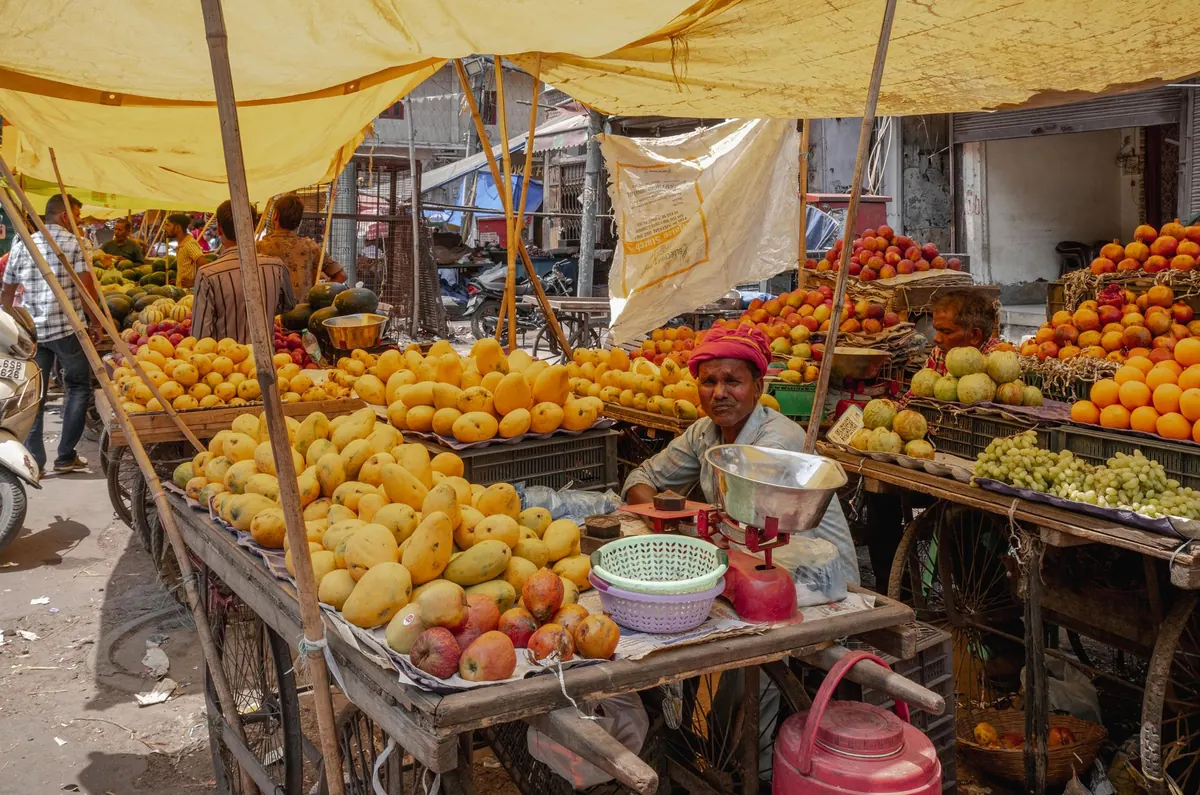
Photo: Roman Saienko / Pexels