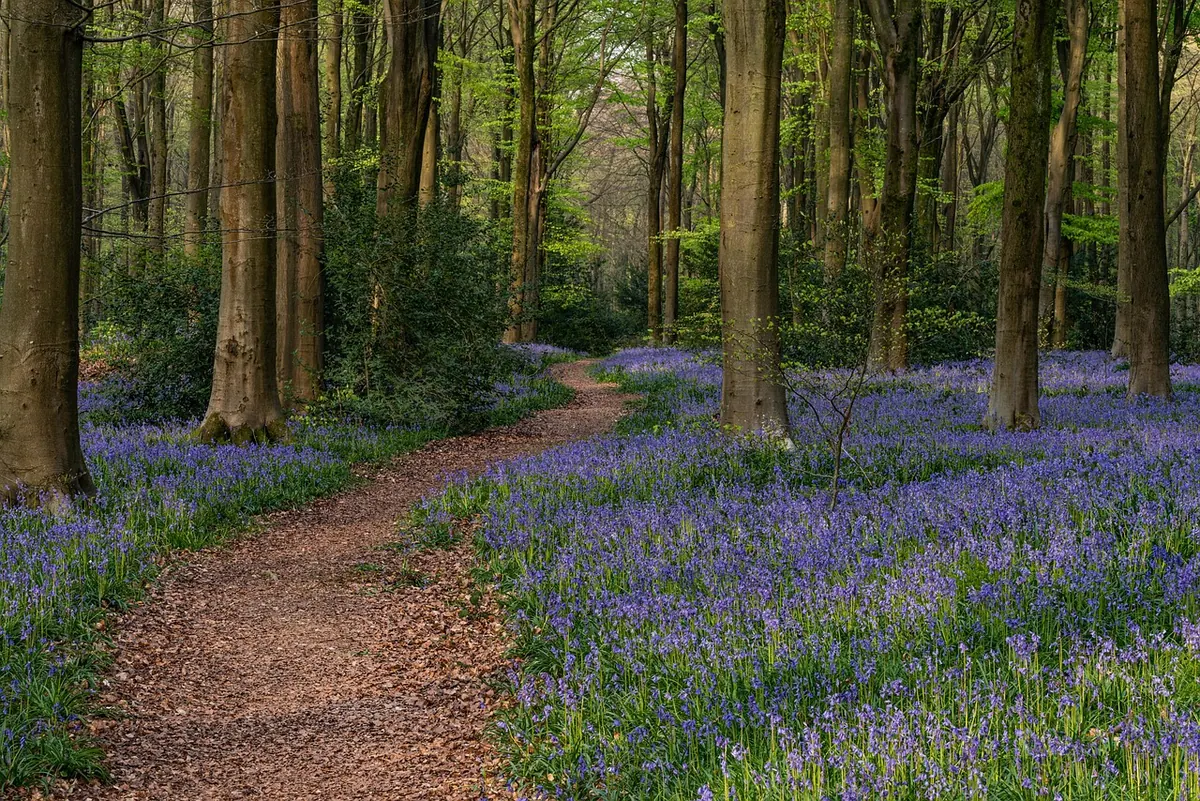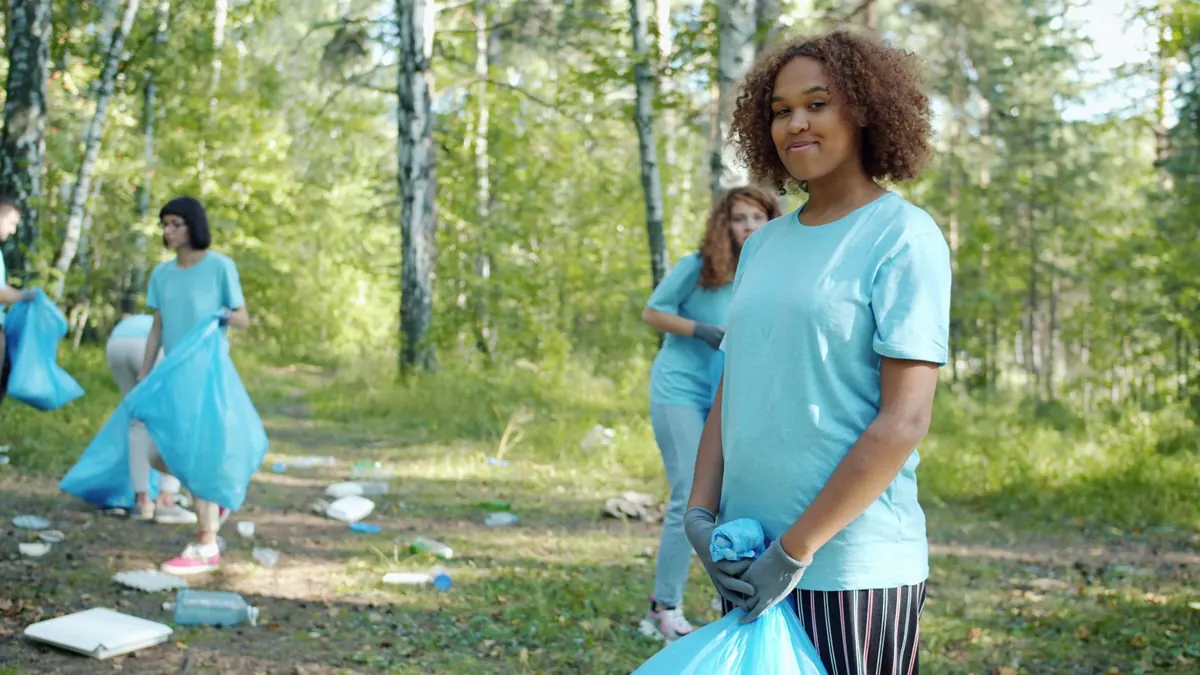
Every spring, the hedgerows along the canal thicken up, the play park sheds a winter's worth of crisp packets, and someone invariably finds a shopping trolley in the brook. The Bluebell Quarter Spring Clean-Up is our collective answer: one Saturday, a few hundred neighbours, gloves on, litter pickers out, and a shared lunch at the end of it.
Registering takes about three minutes. The tricky part is everything around it — which meeting point, what to wear, whether the children can come, whether you need to own a litter picker. Here is the whole process, from form to finish line.
What the Spring Clean-Up Actually Is
The clean-up runs from 9:30am to 1:30pm on the third Saturday of April, with lunch from 1pm. Volunteers split into teams of six to eight, and each team gets a leader with a route map, a radio, and a first aid kit. Nobody is asked to commit to the whole morning; if you can only give an hour, say so on the form and you will be placed in a team that finishes its stretch early.
Routes cover the canal towpath between Lock Bridge and the weir, Bluebell Green and the play park, the verges along Mill Lane, the alley behind the high street shops, and the footpath on the old railway line.
You are there for litter and small debris. Anything heavy, hazardous or in the water is a job for the council crew, who are on site all morning with a van. Your team leader flags those finds; you do not have to deal with them.
Step One: Register Your Place
The sign-up form opens three weeks before the event and closes on the Wednesday evening beforehand. That deadline is not arbitrary — team leaders assign routes and kit based on final numbers, so late names make for a messy Saturday.
You can register online, or on paper at the library and the community café on Sparrow Street if you would rather not do it on a screen. Both routes lead to the same list, so please do not do both.
The form asks for:
- Your name and a phone number or email that reaches you on the day
- How many people you are registering, including children
- Your preferred zone, if you have one, and any you would rather avoid
- Whether you can drive and are willing to carry kit to a meeting point
- Accessibility needs — uneven ground, hearing loops, a shorter route, anything else
- Whether you would like to train as a team leader (there is a short briefing the Thursday before)
Groups are welcome and encouraged: a street, a workplace, a sports club, a book group. Register the group on one form and list the names, then nominate one person as the contact. Anyone under 16 needs an adult with them, and under-12s are best placed on the Green and the play park routes, which are flat and have toilets nearby.
You will get a confirmation with your zone, meeting point and team leader's number. If it has not arrived by the Friday morning, check your spam folder, then ring the community café — do not simply turn up at a random route, because the kit will not be there.
Step Two: Choose Your Meeting Point
There are three, all staffed from 9:15am. Arrive by 9:30 for the briefing and you will be walking by 9:45.
- The bandstand on Bluebell Green. The busiest and easiest option. Steps from the high street, toilets in the pavilion, buggy-friendly, and the best choice if you are bringing children or arriving on foot.
- The canal car park at Lock Bridge. Limited parking, so share lifts if you can. This is the base for towpath teams, and the ground is muddy in a wet spring — boots rather than trainers.
- The community café on Sparrow Street. The quietest of the three and the one to pick if you would rather work the back alleys and Mill Lane verges without a crowd. Meet inside; there is tea while you wait.
If you missed the deadline, you can still join. Come to the bandstand at 9:15 and you will be added to a team with space. You will not get a printed map, but you will get gloves and a bag.
What to Bring (and What You Do Not Need To)
Gloves, litter pickers, bags, hi-vis vests, hand sanitiser and drinking water are all provided, funded by the traders' association and the parish council. You do not need to buy anything, and you do not need to bring your own wheelbarrow, however keen you are.
Do bring:
- Sturdy shoes or boots you do not mind getting dirty
- Long trousers, even if the forecast is warm — nettles and brambles do not check the weather
- A waterproof layer and a refillable water bottle
- Sun cream and a hat if it turns out sunny for once
- A snack, plus your own gloves if you prefer the fit
- Any medication you might need during the morning
Dogs are welcome on a short lead on the Green and Mill Lane routes, but not on the towpath, where there is simply too much going on. Leave bikes at home unless you are on a team leader's route.
Safety Rules Everyone Follows
None of this is complicated, but it matters more than the litter count.
- Never pick up anything sharp or unknown with your hands. Needles, broken glass, syringes, chemical containers and unlabelled drums get marked, stepped away from, and reported to your team leader.
- Stay off the canal edge and out of the water. Do not reach into the water, even for something close. Items in the water go on the council's list.
- Do not lift anything heavy alone. Ask a team leader, and they will find two more pairs of hands or radio the van.
- Keep children within sight. On Mill Lane, that also means staying on the verge side and off the road.
- Wash or sanitise your hands before eating or drinking, and cover any cut immediately — there is a first aider at each meeting point.
- Report any injury, however minor. Grit in the eye and a twisted ankle are the two most common things on the day.
If something looks like it should not be there — a drum, a canister, anything leaking — do not touch it. Flag it, step back, and let the crew take it.
One more note: three hours on your feet, bending and carrying, is real physical work. If you have a heart condition, a recent injury, asthma or anything else that could flare up, speak to your GP or practice nurse before the day. That is general advice, not a medical screening, and there is no shame in choosing a shorter route or a sorting role at the meeting point instead.
What Happens After the Last Bag Is Tied
Teams return to their meeting point by 12:45. Bags are sorted into general waste and recycling, and the council collects from all three points between 1pm and 3pm. Kit is wiped, counted and boxed for next year.
Then comes the good part. Lunch is at the bandstand from 1pm: soup, bread, and whatever people have brought to share. Bring something if you can, but come regardless — plenty arrives without being asked. If you have taken a team leader's radio or keys, hand them back before you eat.
A Quick Checklist for the Morning Of
- Check the weather at 8am and dress for the worst of it
- Save your team leader's number to your phone
- Fill your water bottle
- Arrive at your meeting point by 9:30 for the briefing
- Tell your team leader if you are leaving early
If you have neighbours who would come along but will not fill in a form, register them with your group and bring them with you. The clean-up works because people turn up, and the Quarter is a tidier, friendlier place for it every April.
Photo: Vitaly Gariev / Pexels